


Anthropic is growing rapidly, but the cost of running its AI models is becoming a bigger financial challenge as the company prepares for a potential IPO.
According to a new financial filing reported by CoinDesk, Anthropic generated $17 billion in revenue during Q3, up from $11.5 billion in Q2. However, its operating losses also increased as computing expenses continued to climb.
Compute Costs Consume 58% of Revenue
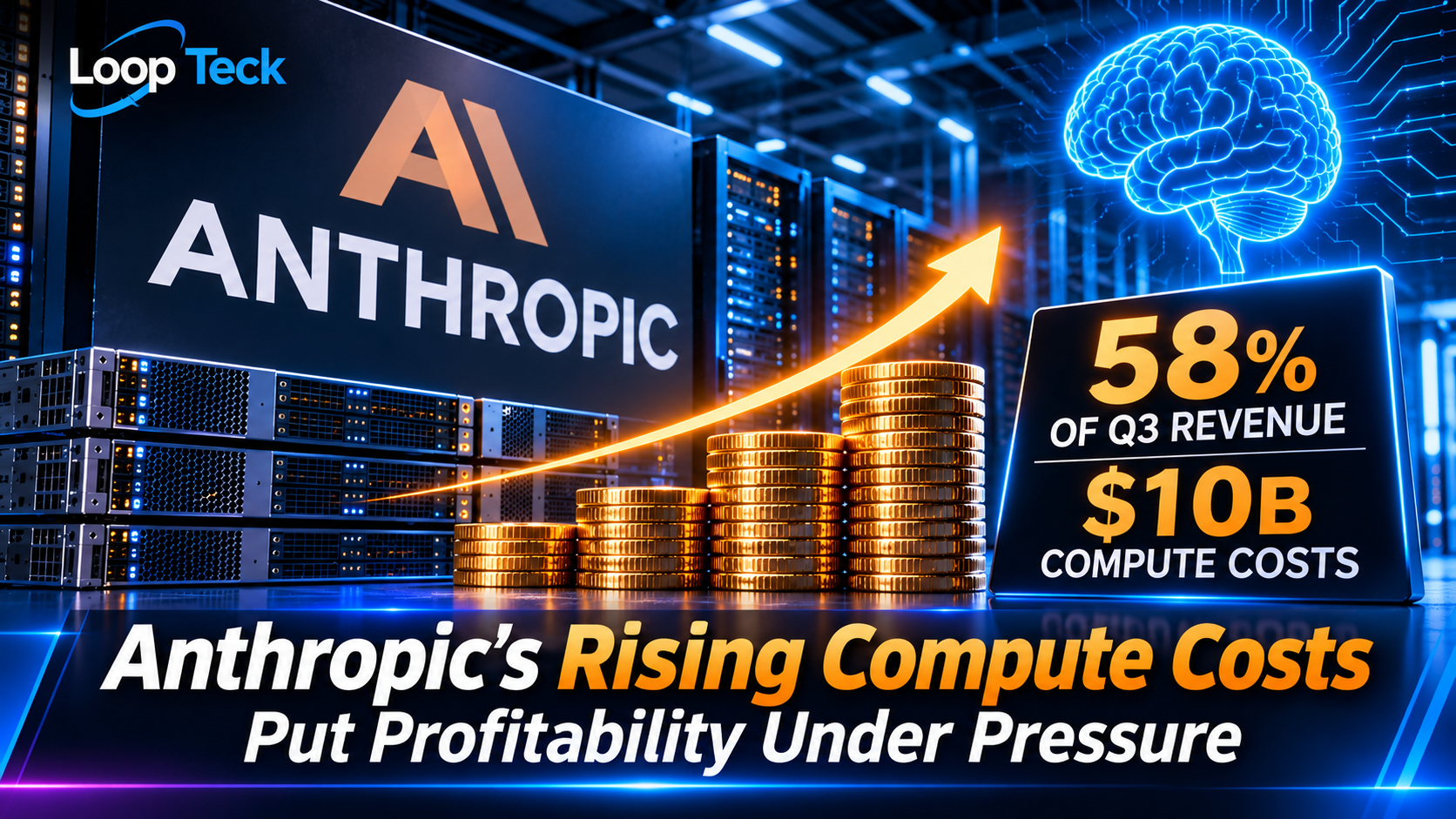
Anthropic spent approximately $10 billion on computing power in Q3, equivalent to 58% of its quarterly revenue.
The company attributed much of the pressure to short-term computing agreements. Around $5 billion went toward these arrangements, which currently cost significantly more than comparable capacity secured through longer-term contracts.
To meet growing demand, Anthropic has secured computing agreements with several infrastructure providers, including SpaceX, Nscale, Akamai, and Volta.
Why Anthropic Is Struggling to Reduce Costs
Anthropic is working to expand its own computing infrastructure through a project called Anthropic Direct. However, its infrastructure development has struggled to keep pace with growing demand.
As a result, the company continues to rely on external providers, including smaller cloud infrastructure operators known as neoclouds.
Anthropic expects computing and infrastructure expenses to remain its largest operating costs for the foreseeable future.
What This Means for Anthropic’s IPO
Strong revenue growth could help Anthropic attract investors. However, rising infrastructure expenses raise questions about how efficiently the company can turn that growth into profits.
The bigger challenge is whether Anthropic can secure enough affordable computing capacity as demand for AI continues to increase.
For now, Anthropic’s growth is strong, but its profitability remains closely tied to the rising cost of computing power.
Anthropic’s Rising Compute Costs: Your Questions Answered
Anthropic’s AI business is growing, but its computing expenses are putting pressure on profitability. Explore the key details behind its latest financial disclosures.
Anthropic needs more computing capacity to support growing demand for its AI models. However, securing additional capacity through expensive short-term agreements has increased its infrastructure expenses.
Anthropic reported $17 billion in Q3 revenue, compared with $11.5 billion in Q2. Despite this growth, its operating losses expanded as computing expenses increased.
Its Q3 computing expenses reached approximately $10 billion. That represents around 58% of its quarterly revenue, according to the reported financial disclosures.
Around $5 billion of its computing expenditure went toward short-term committed capacity. These arrangements currently cost significantly more than comparable capacity secured through multi-year contracts.
The reported agreements involve SpaceX, Nscale, Akamai, and Volta. These providers help Anthropic secure the computing capacity needed to support its expanding AI operations.
Anthropic Direct is the company’s project to build its own computing infrastructure. The goal is to strengthen its infrastructure capabilities, although current demand continues to require outside computing providers.
Higher infrastructure expenses could raise investor questions about profitability. Although revenue is increasing, investors may examine how effectively Anthropic can manage computing costs while expanding its AI business. The supplied report does not establish the outcome of any IPO.
A decrease is not guaranteed. Anthropic expects its computing and infrastructure costs to continue rising in absolute terms and remain its largest operating expense for the foreseeable future.
Anthropic’s Compute Cost Challenge
Explore the infrastructure spending behind Anthropic’s rapid growth, the rising cost of AI computing capacity, and what these expenses could mean for the company’s path toward profitability.
Inside the Cost of Scaling AI
AI model development requires more than software engineering. Training and running large-scale models also depend on computing infrastructure, data-center capacity, and long-term agreements with infrastructure providers. These costs are becoming a central business issue for leading AI companies.
The article reports that Anthropic generated approximately $17 billion in Q3 revenue, while computing expenses reached approximately $10 billion — around 58% of reported quarterly revenue.
The company has also committed to additional computing capacity through infrastructure agreements. These commitments highlight the scale of resources required to operate and expand advanced AI systems.
The central business question is whether revenue can continue growing faster than infrastructure costs. The figures provide context for Anthropic’s profitability challenge, but they do not establish when or whether the company will become profitable.