


by Loop Teck | Smartphones & Gadgets
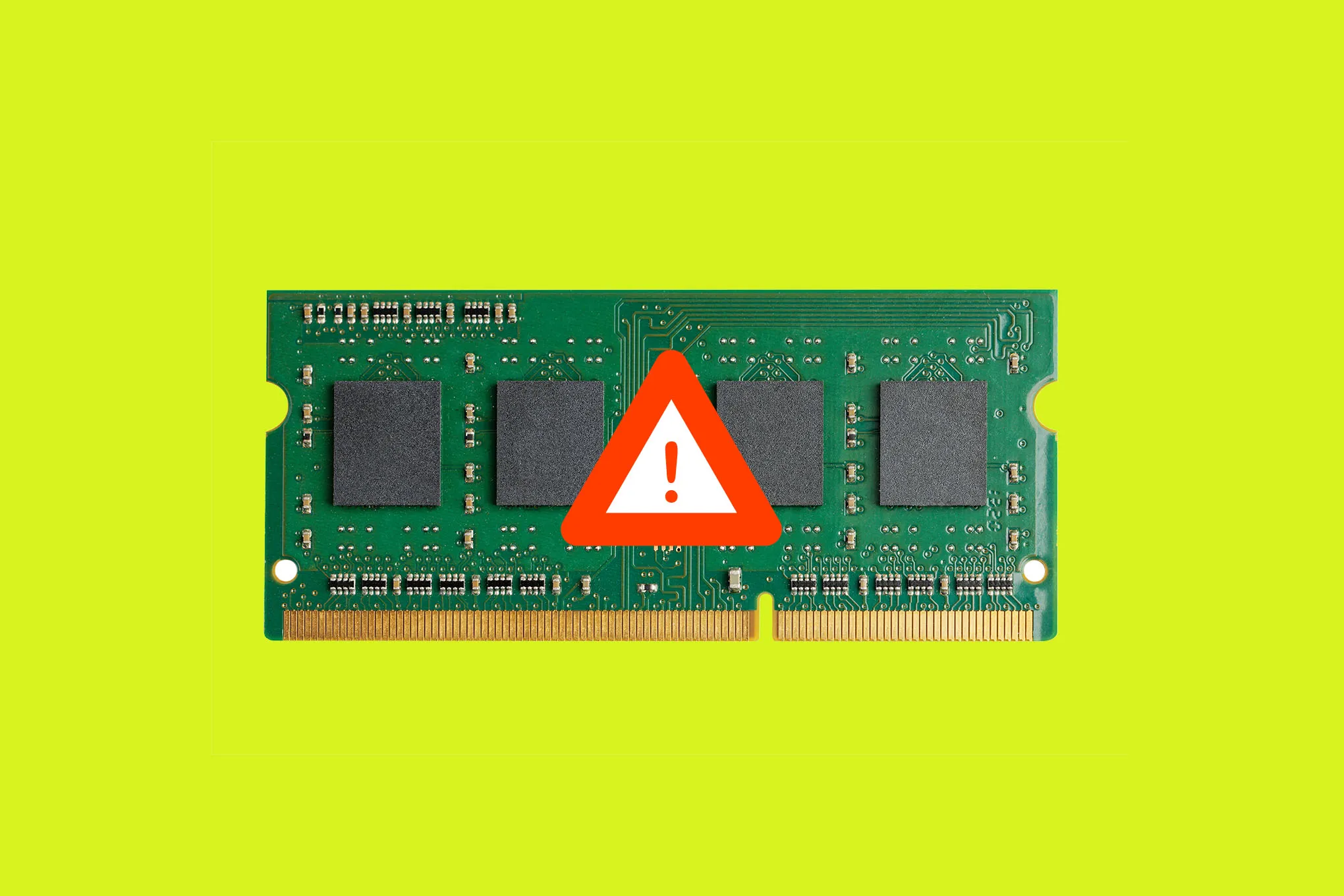
The global smartphone industry may be heading in an unexpected direction. According to new industry insights, smartphone manufacturers could soon reintroduce 4GB RAM devices, a move that signals a step backward of nearly four years in mobile hardware evolution. This potential shift is being driven by an ongoing RAM shortage, which is also slowing down the transition to 16GB RAM flagship smartphones.
Smartphone RAM Shortage Is Forcing Major Hardware Changes
As memory supply constraints intensify, manufacturers are being forced to make difficult trade-offs. The most immediate consequence is a reduction in RAM across multiple smartphone segments. Entry-level smartphones that once shipped with 6GB or 8GB RAM may soon be limited to just 4GB, while mid-range devices could see their base memory configurations drop from 12GB to 8GB or even 6GB.
According to TrendForce, the RAM shortage—previously expected to ease by late 2027—is now severe enough to reshape future smartphone specifications across the board.
Flagship Phones May Stall at 12GB Instead of 16GB
At the premium end of the market, progress is also slowing. While some flagship smartphones experimented with 24GB RAM configurations, that trend appears short-lived. Instead of moving decisively toward 16GB RAM as a new standard, many upcoming flagship devices may remain capped at 12GB due to rising DRAM costs and limited supply.
This slowdown highlights a broader industry-wide recalibration, as memory manufacturers prioritize profitability over volume.

Samsung and Memory Manufacturers Shift Strategy
Major players are already adjusting their production strategies. Samsung, for example, is reportedly shifting resources away from High Bandwidth Memory (HBM) toward DDR5 production, where margins are higher. While this benefits suppliers, it exacerbates shortages for consumer devices such as smartphones.
This strategic pivot underscores how deeply the DRAM crisis is affecting the entire semiconductor ecosystem.
Affordable Phones Dominate the U.S. Market
Despite the attention premium smartphones receive, affordable devices still dominate overall shipments. Data from Counterpoint Research shows that Samsung’s Galaxy A16 5G was the best-selling Android smartphone in Q3 2025, shipping with 8GB RAM.
However, if manufacturers move forward with downgraded memory configurations, U.S. consumers may be forced to pay more for the same level of performance, particularly in the budget and mid-range segments.
Android Optimization Could Become a Priority
Interestingly, this hardware regression could push meaningful software improvements. One potential upside is increased pressure on Google to further optimize Android for lower-memory devices—similar to how Apple has long optimized iOS to run smoothly with less RAM.
That said, this optimization challenge becomes more complex as on-device AI features become mainstream, where higher memory capacity remains critical.
AI Features Are Changing Memory Requirements
Looking ahead, artificial intelligence is reshaping smartphone hardware demands. Earlier projections suggested 20GB RAM could become a mainstream requirement to support advanced AI workloads. To work around the current shortage, companies are exploring alternative solutions.
Apple is reportedly experimenting with storing large language models (LLMs) on flash storage instead of RAM, while Samsung is rumored to be developing AI-optimized UFS storage to reduce reliance on volatile memory.

What This Means for Consumers
Ultimately, the DRAM shortage is not expected to end anytime soon. If smartphone manufacturers are forced to compromise on hardware, they will need to innovate aggressively at the software and storage levels to preserve user experience. Failure to do so could significantly impact sales, especially in competitive markets like the United States.
For now, consumers should be prepared for a future where RAM capacity no longer increases as quickly as it once did, even as smartphones continue to demand more performance.
Source: TrendForce