

Artificial intelligence news from CES 2026 makes one trend unmistakably clear: AI is no longer limited to software, screens, or chat interfaces. Instead, it has entered the physical world. Devices can now move, respond, and interact with their environment in real time. As a result, CES 2026 became a defining moment for what many companies describe as physical AI.
Rather than focusing only on apps or cloud-based models, technology leaders showcased systems that combine sensors, edge computing, and intelligent software. Consequently, machines now demonstrate awareness, movement, and decision-making in real-world conditions.
Robots Take Center Stage in AI Technology
Robotics emerged as one of the most visible categories at the event. Boston Dynamics and Hyundai introduced the production-ready version of the Atlas humanoid robot, designed for industrial environments. Not only did Atlas demonstrate improved balance and mobility, but it also showed how humanoid robots could support logistics and manufacturing workflows.
Meanwhile, consumer robotics advanced in practical ways. Roborock revealed a stair-climbing robot vacuum, solving a long-standing limitation in home automation. At the same time, LG expanded its CLOiD platform, presenting robots capable of assisting with everyday household tasks. Together, these demonstrations highlighted rapid progress in AI robotics that directly impacts daily life.
Autonomous Vehicles and AI Assistants in Transport
Transportation innovation remained a core focus. Several companies introduced purpose-built robotaxis aimed at future autonomous ride-hailing services. These vehicles rely on advanced sensors, edge AI processing, and cloud connectivity to navigate complex urban environments.
In parallel, major automakers emphasized the growing role of the AI assistant inside vehicles. Intelligent systems now manage navigation, safety features, and in-car interaction. As a result, driving experiences are becoming more adaptive, intuitive, and responsive.
Chips Power the Business of AI
Behind every intelligent system lies computing power. At CES 2026, chipmakers positioned hardware as the foundation of the next AI wave. Intel introduced new processors optimized for on-device intelligence, while AMD expanded its lineup to support local AI workloads for creators and professionals.
Additionally, Arm announced organizational changes to accelerate development for robotics and embodied intelligence. This shift signals how the business of AI increasingly depends on specialized silicon built for real-world applications.
Gaming and Creative Platforms Embrace AI
Gaming hardware also evolved into a broader productivity platform. Updated laptops combined powerful GPUs with intelligent software to support creative workflows, streaming, and AI-driven tools. Therefore, gaming systems are no longer limited to entertainment. Instead, they serve as flexible platforms for creators, developers, and professionals working with AI apps.
New Device Form Factors Redefine Interaction
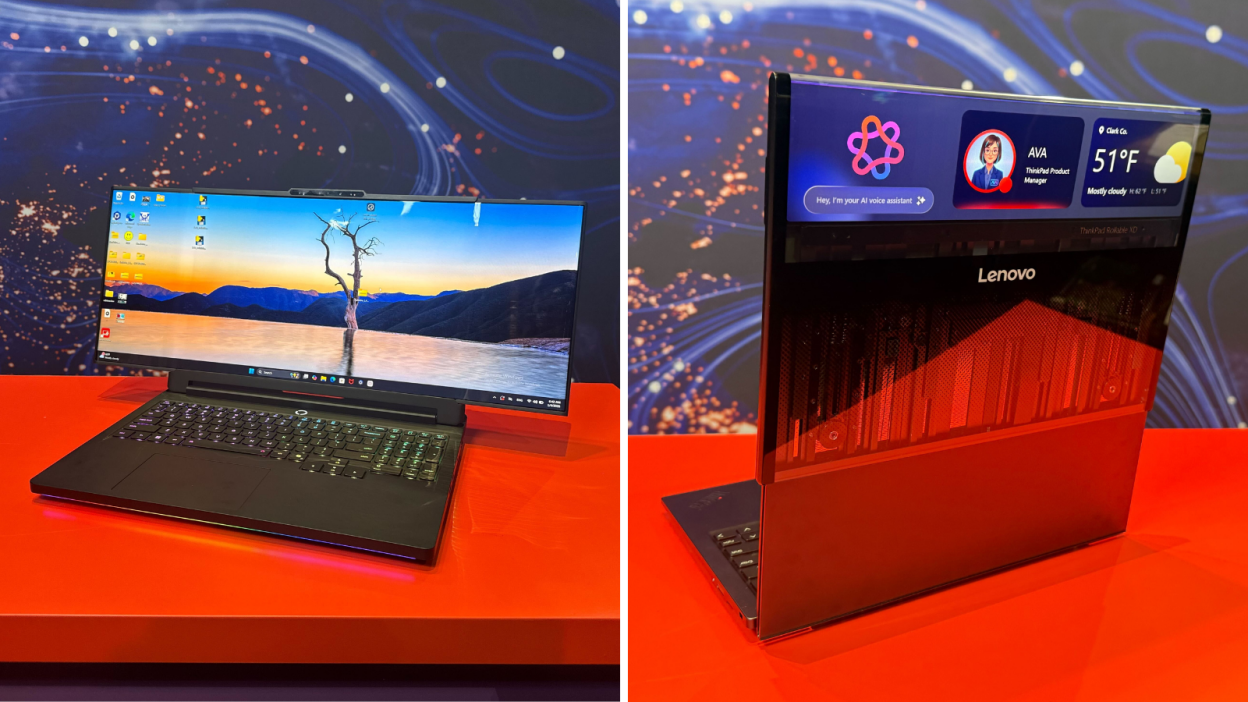
Innovation extended beyond performance into design. Foldable and rollable displays demonstrated how physical form factors adapt to user needs. Smart-home devices also blended into living spaces, relying on intelligent automation rather than visible controls. Consequently, AI feels less intrusive and more integrated into daily routines.
Why CES 2026 Matters for Artificial Intelligence News
CES 2026 did not revolve around a single product. Instead, it delivered a consistent message across industries. AI has moved beyond experimentation and into physical deployment. Robots, vehicles, homes, and personal devices now operate with real-world awareness.
For readers tracking artificial intelligence news, this shift marks a critical transition. The industry is no longer asking what AI can generate. It is asking how AI can act.