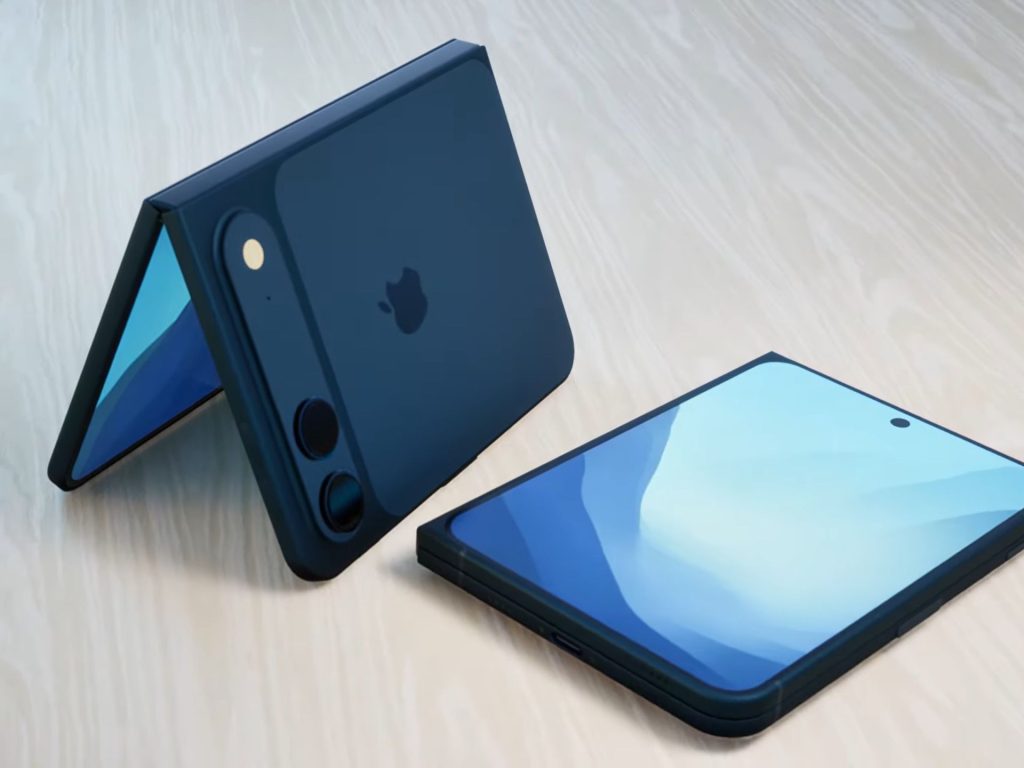
Foldable iPhone rumors have circulated for years, yet Apple still shows no sign of launching an iPhone Fold. While competitors push foldable phones into the spotlight, Apple continues to dominate the smartphone market without joining the trend. This raises a critical question: does Apple actually need a foldable iPhone at all?
Instead of rushing into the foldables race, Apple appears to be letting speculation work in its favor. As a result, foldable iPhone rumors may be more valuable to Apple than an actual product.
The Rise of Foldable iPhone Rumors
Every year, new foldable iPhone rumors emerge, often suggesting that Apple is quietly testing prototypes. However, none of these reports have led to a confirmed release timeline. Apple has remained unusually silent, especially compared to rivals that openly promote foldable innovation.
Interestingly, this silence fuels curiosity. People discuss the Apple iPhone Fold as if it already exists, even though no official announcement has been made. In contrast, Apple continues to sell traditional iPhones at massive scale, proving that foldables are not essential to its success.
Why Apple Demands a Crease-Free Foldable
One consistent claim across foldable iPhone rumors is Apple’s refusal to accept a visible crease. Every existing foldable phone features a crease where the display bends. Although most users find it harmless, Apple sees it as a design compromise.
From the Samsung Galaxy Z Fold 7 to the Motorola Razr Ultra, current foldables still show visible display folds. Apple’s design philosophy prioritizes polish and long-term durability. Until a truly crease-free foldable display exists, Apple appears unwilling to move forward.
Because of this, Apple foldable phone rumors often emphasize “waiting for perfection.” That approach aligns with Apple’s history of entering markets late—but redefining them once it does.
Comparing Apple Fold Rumors With Existing Foldables
When comparing foldable iPhone rumors to real-world devices, the contrast becomes clear. Samsung and Motorola have invested heavily in foldable hardware, yet adoption remains limited. Foldable phones cost significantly more than standard flagship phones, which reduces mainstream appeal.
Moreover, foldables try to replace both a phone and a tablet. However, Apple already sells compact tablets alongside its iPhones. From a product strategy perspective, an iPhone Fold could overlap with existing Apple devices rather than enhance them.
You can explore more Apple product insights in our detailed smartphone analysis section:
Smartphones Category