
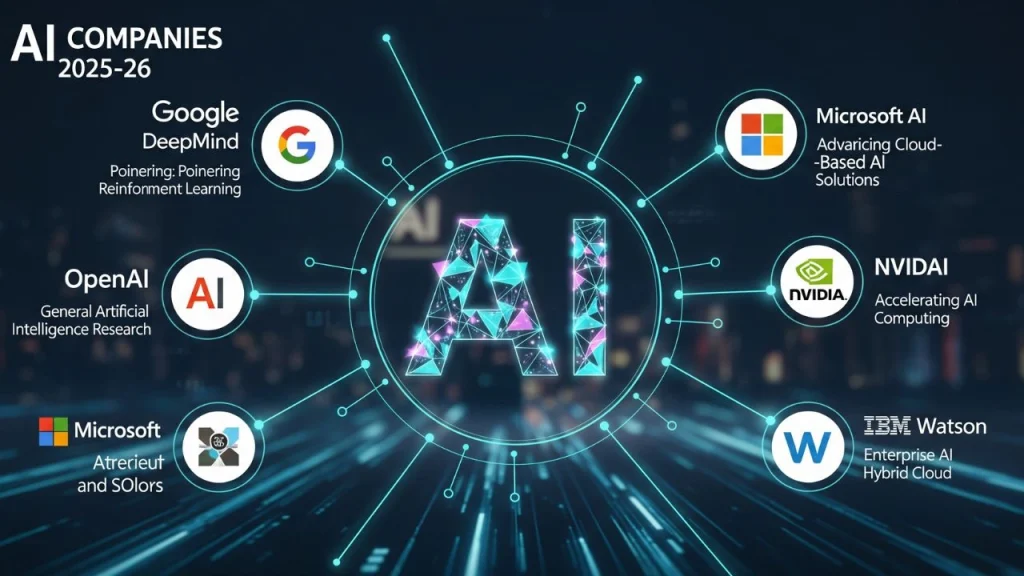
AI models comparison has become one of the most searched terms as businesses and developers seek to understand how leading artificial intelligence systems stack up in performance, cost, and accessibility. From proprietary proprietary solutions to open-source alternatives, today’s AI landscape is changing rapidly, and this article explains the key developments shaping that evolution.
Why AI Models Comparison Matters
Artificial intelligence adoption continues to grow. In 2025 and into 2026, developers, enterprises, and content creators increasingly search for comparisons between top models to decide which solutions best fit their needs. Google Trends and SEO research show strong search interest in terms like “AI tools,” “generative AI,” “large language models,” and “AI chatbot”—all part of the broader AI models comparison category.
Understanding how models perform—especially when open-source options enter the scene—can help organizations make efficient decisions about automation, customer service, and creative production.
Open-Source Innovation is Reshaping AI
A major shift in the AI industry comes from the rise of open-source models. Firms like DeepSeek, Alibaba (with its Qwen family), and other labs have released high-performance foundation models that developers can freely customize and deploy. This open distribution has stimulated adoption because developers can experiment without heavy licensing fees.
For example, platforms hosting model repositories show that Chinese-developed open models frequently dominate downloads and community engagement—undermining the expectation that proprietary U.S. solutions always lead.
Enterprise Adoption Trends
It is no longer uncommon for U.S. enterprises to integrate both open-source and proprietary AI technologies. Some companies choose Chinese-origin models because they balance strong performance with lower operational costs. Others maintain hybrid architectures mixing leading U.S. systems with alternative models optimized for specific tasks.
Unlike closed systems from major providers, open models offer transparency and customization, which can be especially valuable in research and niche applications.
Performance and Competitive Dynamics
Industry benchmarks show the performance gap between U.S. and Chinese models has narrowed significantly over recent years. Continuous improvements in reasoning, multimodal capabilities, and efficiency have enabled a broader set of developers to access competitive tools.
The dynamics of this competition have also sparked innovation in efficiency techniques and modular architectures that allow models to scale without excessive cost overhead.
What This Means for Content and Search
Users searching for AI models comparison are not just curious about branding; they want actionable insights into how models fare on accuracy, adaptability, and integration. Long-tail search behavior also shows increased interest in practical queries like “best AI tools for content creation” and “AI video generator performance,” reflecting how broad the AI topic has become in organic search.
Conclusion
In the evolving world of artificial intelligence, AI models comparison remains a central theme for developers, enterprises, and digital audiences. Open-source models are gaining traction, and competitive pressures are reshaping how both innovators and adopters think about performance, customization, and cost. When optimizing your AI implementation or content strategy, focusing on substantive comparisons with clear metrics can deliver stronger results.