
AMD Ryzen AI Halo Takes Aim at Nvidia’s AI Developer Market
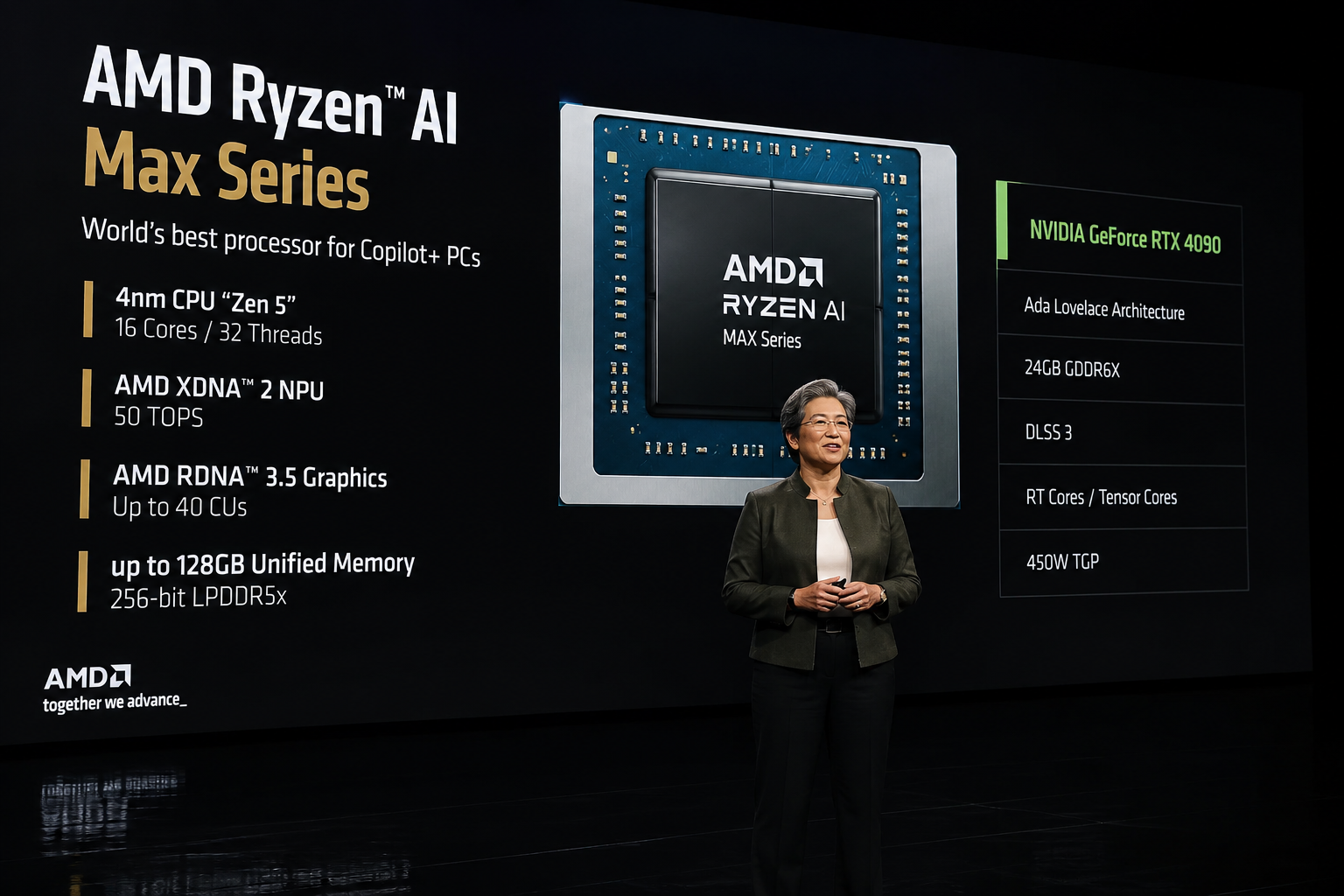
Introduction
The AMD Ryzen AI Halo platform is shaping up to become one of the most interesting local AI development systems of the year. AMD officially confirmed that preorders for its compact AI workstation will begin in June with a starting price of $3,999. As a result, developers and businesses now have a new alternative to expensive cloud-based AI workflows and high-priced AI hardware.
Moreover, AMD is positioning this system directly against Nvidia’s DGX Spark while also attracting creators, engineers, and AI developers who want powerful local processing without relying heavily on cloud services.
AMD Ryzen AI Halo Specifications and Features
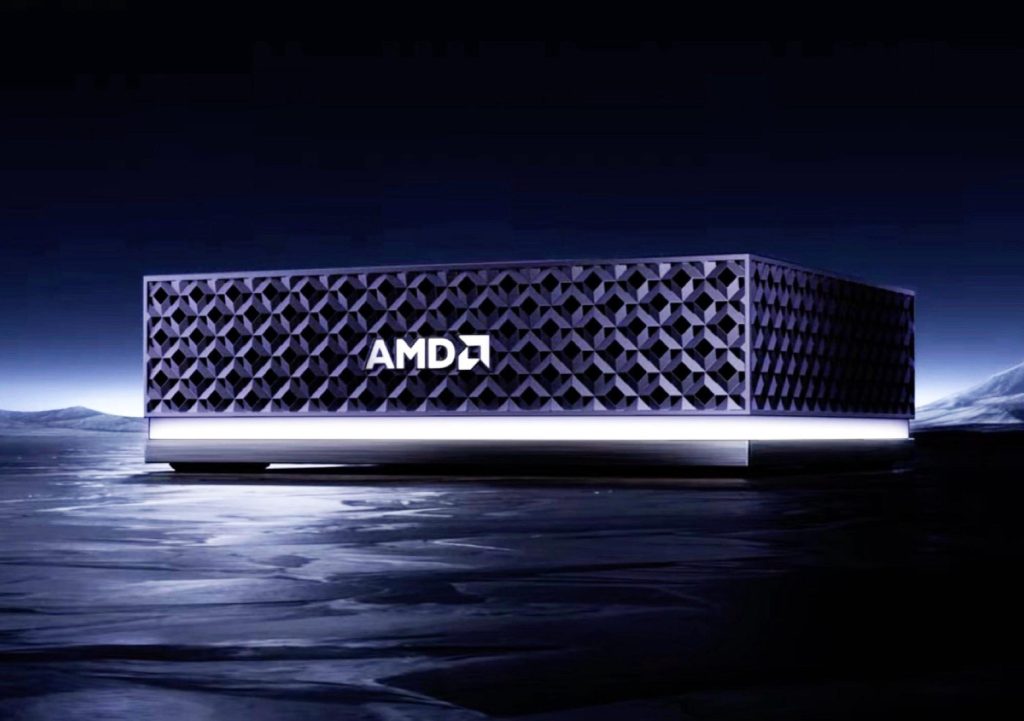
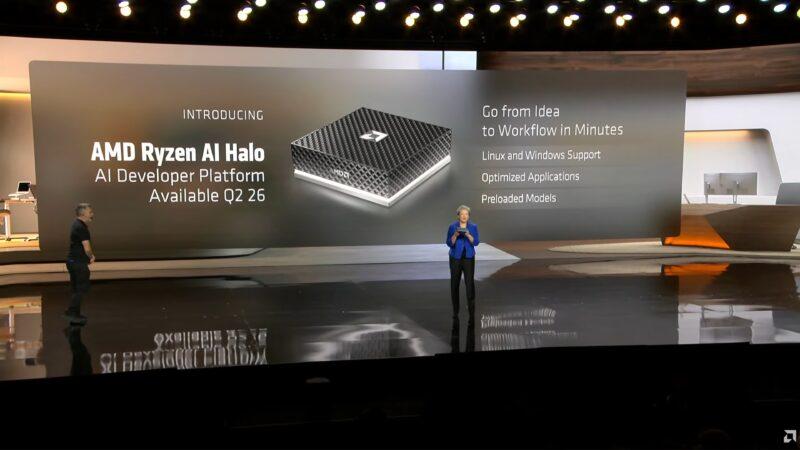

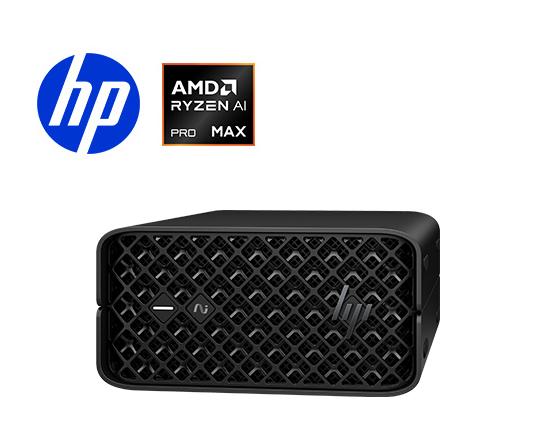
The new AMD Ryzen AI Halo developer platform packs premium hardware into an ultra-compact design. AMD included 128GB of LPDDR5x memory, a 40-core RDNA 3.5 GPU, a 50 TOPS NPU, and 2TB of storage. In addition, the system supports AI models with up to 200 billion parameters locally.
AMD also claims the platform delivers faster local AI processing in selected workloads compared to Nvidia’s competing system. Because of this, developers working on generative AI, automation tools, simulations, and advanced AI agents may find the platform highly attractive.
The compact machine measures only six inches wide and less than two inches tall. Despite its small footprint, it still includes Wi-Fi 7, 10Gb Ethernet, and a modest 120W power draw.
Why Local AI Development Is Growing Fast
Cloud AI tools remain popular. However, many developers are now exploring local AI computing due to increasing cloud subscription costs and privacy concerns.
According to AMD, businesses processing millions of AI tokens every day could spend hundreds of dollars monthly on cloud services. Over several years, those costs may become significantly higher than purchasing dedicated local AI hardware.
Consequently, systems like the AMD Ryzen AI Halo could become more appealing for startups, software engineers, and enterprise users who need faster response times and improved data privacy.
In addition, local AI systems reduce dependency on internet connectivity. They also allow developers to experiment with larger models directly on their hardware.
Ryzen AI Max PRO 400 Series Expands AMD’s AI Strategy
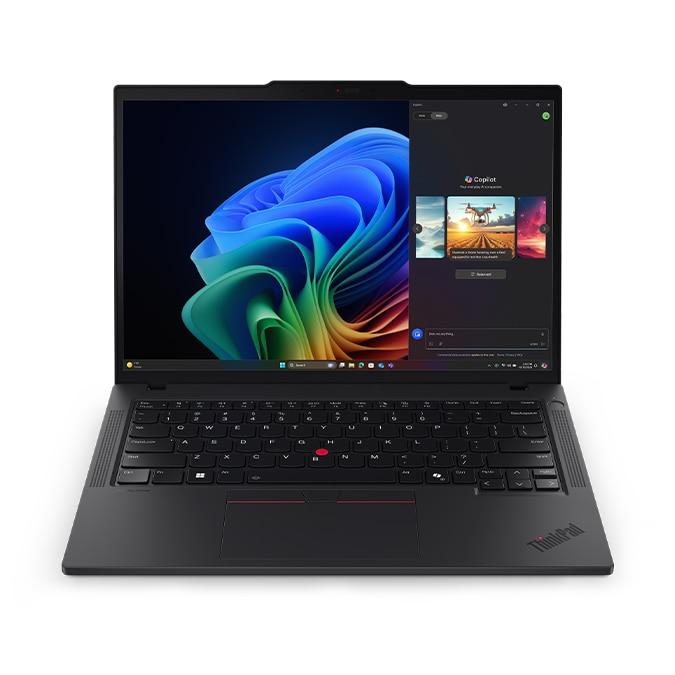


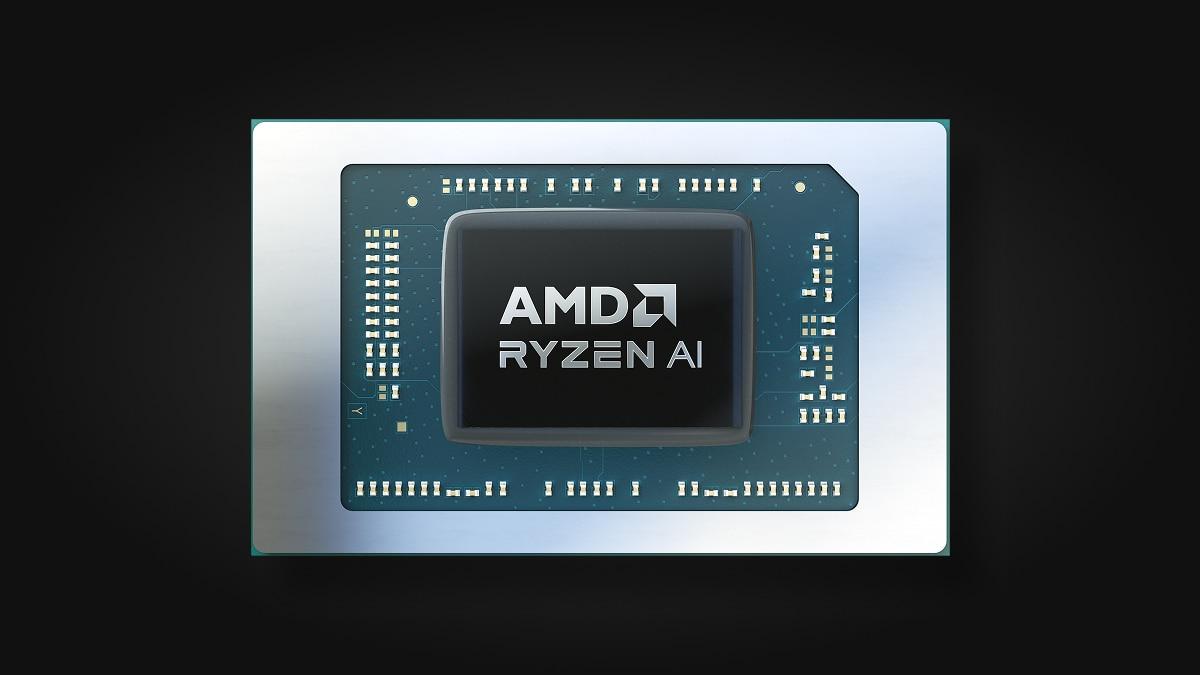
AMD also introduced the Ryzen AI Max PRO 400 Series processors during the announcement. These Zen 5 chips combine RDNA 3.5 graphics with the XDNA 2 NPU architecture.
Furthermore, the processors support up to 192GB of system memory and 160GB of VRAM. AMD designed them specifically for developers, creators, engineers, and professionals handling demanding AI workloads.
Major partners, including HP and Lenovo, are expected to release devices powered by these processors later this year.
AMD vs Nvidia in the Local AI Race
AMD is clearly targeting Nvidia in the rapidly growing AI workstation market. While Nvidia currently dominates professional AI hardware, AMD’s lower pricing strategy could attract many developers looking for better value.
Additionally, AMD’s support for both Windows and Linux gives it an advantage for users who prefer flexible operating systems. Nvidia’s DGX Spark primarily focuses on Linux-based environments.
As AI adoption continues to expand, affordable local AI systems may become essential tools for developers building next-generation AI applications.
Final Thoughts
The AMD Ryzen AI Halo platform could become a major option for developers who want powerful local AI processing without paying massive cloud costs. Its compact size, strong specifications, and lower price point make it a serious competitor in the growing AI workstation market.
If AMD delivers strong real-world performance, the company may gain significant momentum among AI developers, content creators, and enterprise users searching for cost-effective AI hardware.
Frequently Asked Questions
What is AMD Ryzen AI Halo?
AMD Ryzen AI Halo is a high-performance local AI developer platform designed for running advanced AI models directly on a compact workstation. It combines Zen 5 CPU cores, RDNA 3.5 graphics, and a dedicated AI engine to support demanding AI workflows without depending heavily on cloud computing.
How much does the AMD Ryzen AI Halo platform cost?
AMD confirmed that the Ryzen AI Halo developer platform will start at $3,999. That pricing places it below Nvidia’s DGX Spark while still offering premium AI-focused hardware specifications for developers, creators, and enterprise users.
Can AMD Ryzen AI Halo run large AI models locally?
Yes. AMD says the system can run local AI models with up to 200 billion parameters. Because of its large memory capacity and dedicated AI hardware, developers can process advanced AI workloads directly on the device instead of relying entirely on cloud servers.
How does Ryzen AI Halo compare to Nvidia DGX Spark?
AMD positions Ryzen AI Halo as a direct competitor to Nvidia DGX Spark. The platform offers a lower starting price, Windows and Linux support, a powerful RDNA 3.5 GPU, and strong local AI performance. AMD also claims faster performance in selected AI workloads.
Why are developers interested in local AI computing?
Local AI computing reduces cloud costs, improves privacy, and delivers faster response times. In addition, developers gain more control over sensitive data and AI workflows. As cloud AI expenses continue rising, many businesses are exploring local AI systems for long-term savings.
What are the main specifications of AMD Ryzen AI Halo?
The platform includes up to 128GB LPDDR5x memory, a 40-core RDNA 3.5 GPU, a 50 TOPS NPU, and 2TB of storage. It also supports Wi-Fi 7, 10Gb Ethernet, and operates with a compact low-power design suitable for AI development environments.
Does AMD Ryzen AI Halo support Windows and Linux?
Yes. AMD confirmed support for both Windows and Linux operating systems. This flexibility allows developers to choose the environment that best fits their AI tools, software stack, and development workflow.
Who should buy the Ryzen AI Halo developer platform?
The platform targets AI developers, machine learning engineers, content creators, researchers, and businesses building local AI applications. It is especially useful for users who need high-performance AI processing without relying entirely on cloud infrastructure.
Will local AI PCs replace cloud AI services?
Local AI PCs will not completely replace cloud AI services, but they are becoming more important. Many businesses now prefer hybrid setups that combine local AI performance with cloud scalability. This approach improves privacy while also reducing long-term operating costs.
When will AMD Ryzen AI Halo be available?
AMD announced that preorders for the Ryzen AI Halo developer platform will begin in June 2026. Devices powered by Ryzen AI Max PRO 400 Series processors are also expected to arrive from major hardware partners later in the year.