

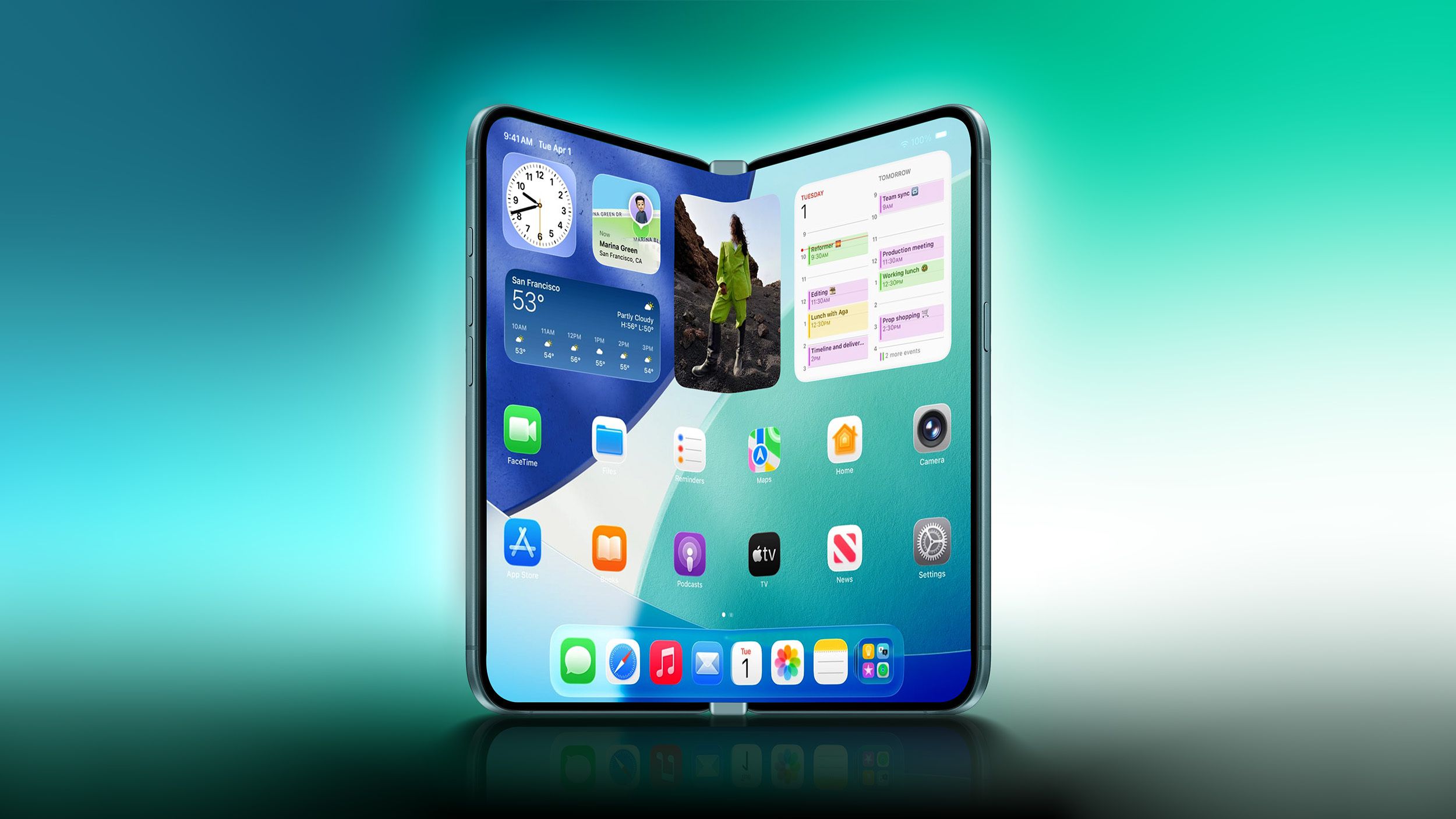
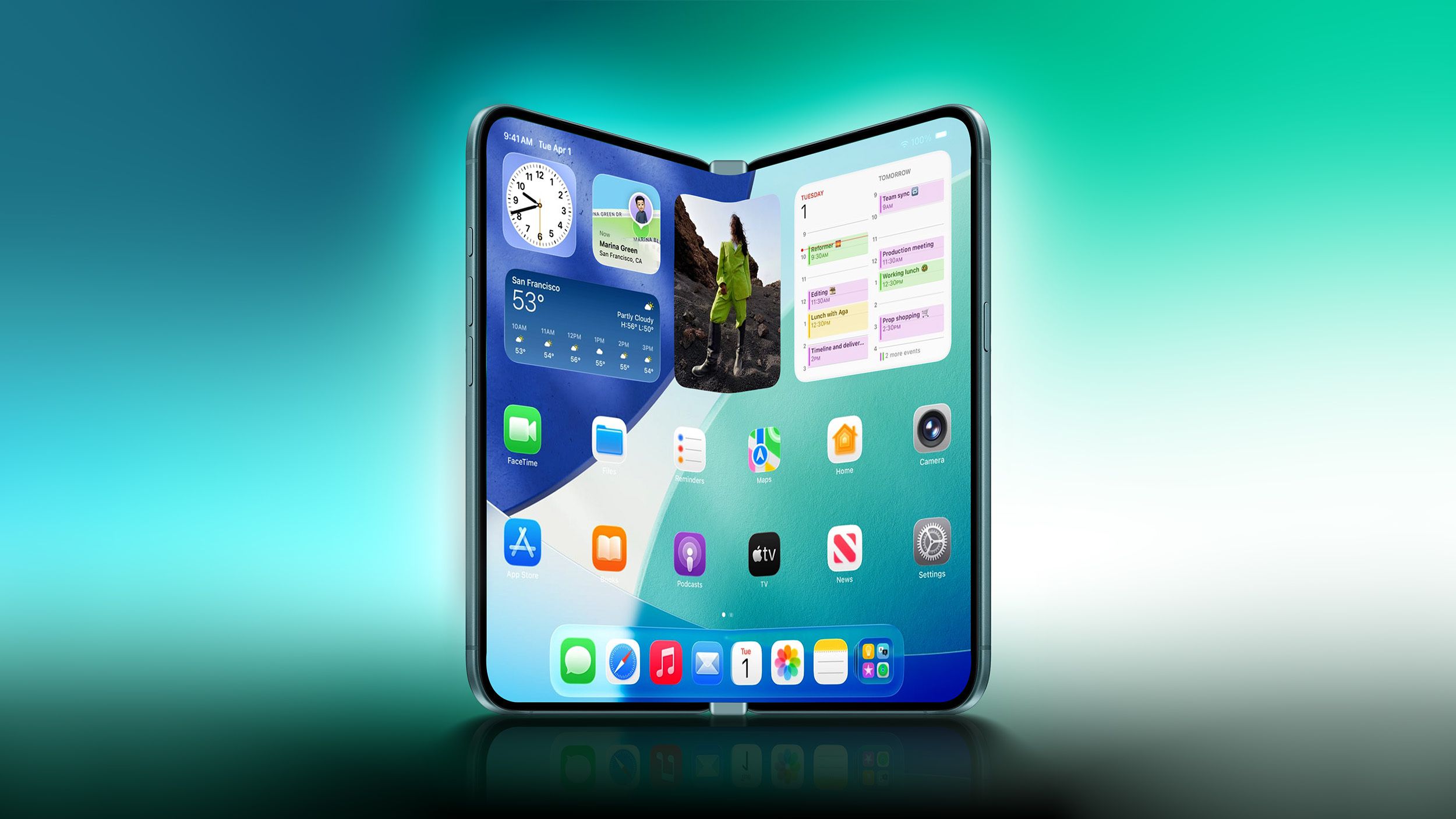
The Apple iPhone Foldable challenges have become a topic of serious discussion even before Apple’s first foldable device officially launches. As foldable smartphones gain momentum, industry leaders are questioning whether Apple can meet expectations without compromising durability, battery life, or user experience.
Notably, Honor has stepped forward with pointed remarks that underline how demanding foldable engineering truly is.
Honor Highlights the Reality of Foldable Engineering
According to Fang Fei, President of Honor’s Product Line, developing a foldable smartphone requires far more precision than creating ultra-thin “Air-style” devices. While slim profiles attract attention, they introduce complex trade-offs that brands cannot ignore.
Moreover, Fang emphasized that balancing thinness with long-term battery performance remains one of the most difficult hurdles. At the same time, maintaining display stability over years of folding adds another layer of complexity.
“The challenges that folding screens face are far more difficult than Air devices,” Fang explained, pointing to structural reliability and long-term usability.
Durability, Battery Life, and Display Stability Concerns
Foldable phones demand constant structural stress testing. Every fold impacts hinges, screen layers, and internal components. Therefore, ensuring reliability over repeated use becomes critical.
In addition, battery limitations restrict how thin a foldable phone can realistically be. As a result, manufacturers must carefully redesign internal layouts rather than relying on shortcuts. Fang made it clear that avoiding compromises should be the priority, especially for premium devices.
Honor’s Product Philosophy Behind the Magic V Series
Honor’s experience with foldables spans five V-series devices. Each generation, according to Fang, refined user expectations instead of forcing users to accept limitations.
For example, when customers wanted thinner designs, Honor rebuilt internal structures. Similarly, when battery endurance became a concern, the company increased silicon content to enhance safety and longevity.
This approach, Fang argued, creates trust by delivering real value rather than inflated pricing.
What This Means for Apple’s First Foldable iPhone
As anticipation builds, Apple faces intense scrutiny. While the company is known for polished hardware, foldable phones demand new engineering solutions. Consequently, success will depend on how well Apple addresses durability, battery efficiency, and consistent display performance.
Meanwhile, Honor hinted that its upcoming Magic V6 will introduce further breakthroughs beyond slimness, although details remain undisclosed.
Final Thoughts
Foldable smartphones represent one of the toughest challenges in modern mobile design. As competitors speak openly, expectations for Apple’s first foldable device continue to rise. Whether Apple can overcome these obstacles will define its position in the next phase of smartphone innovation.