

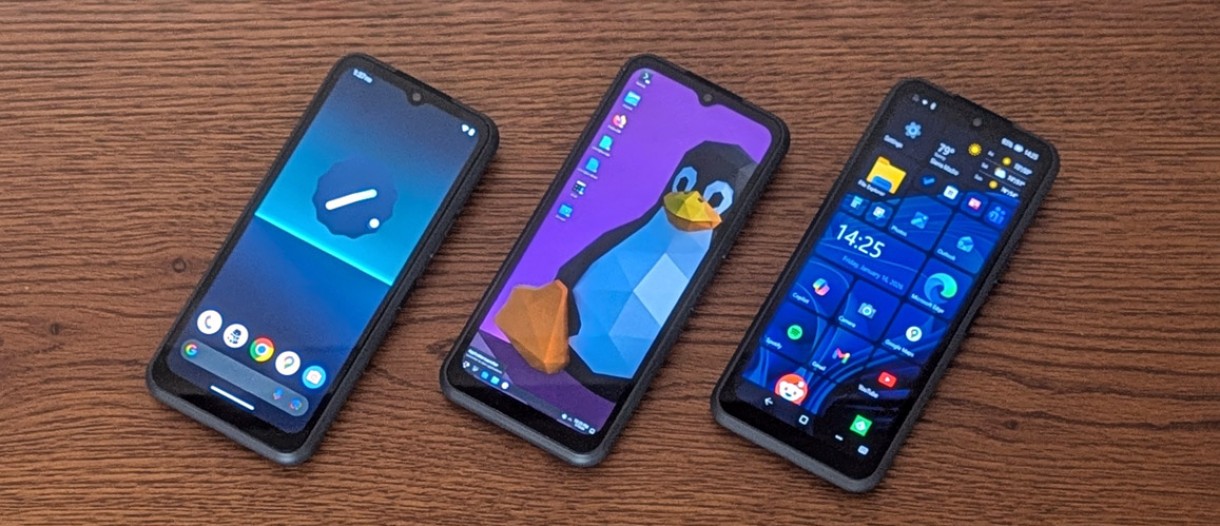
The idea of a smartphone that runs Windows 11 has fascinated tech enthusiasts for years. As mobile hardware becomes more powerful, the line between phones and traditional computers continues to blur. Nex Computer now claims to push this concept further with the NexPhone, a device designed to function as both a smartphone and a full desktop replacement.
Instead of forcing users into a single ecosystem, NexPhone focuses on flexibility. It allows users to switch between Android, Linux, and Windows depending on the task at hand. As a result, it targets professionals, developers, and power users who want one device to handle multiple workflows.
One Device, Three Operating Systems
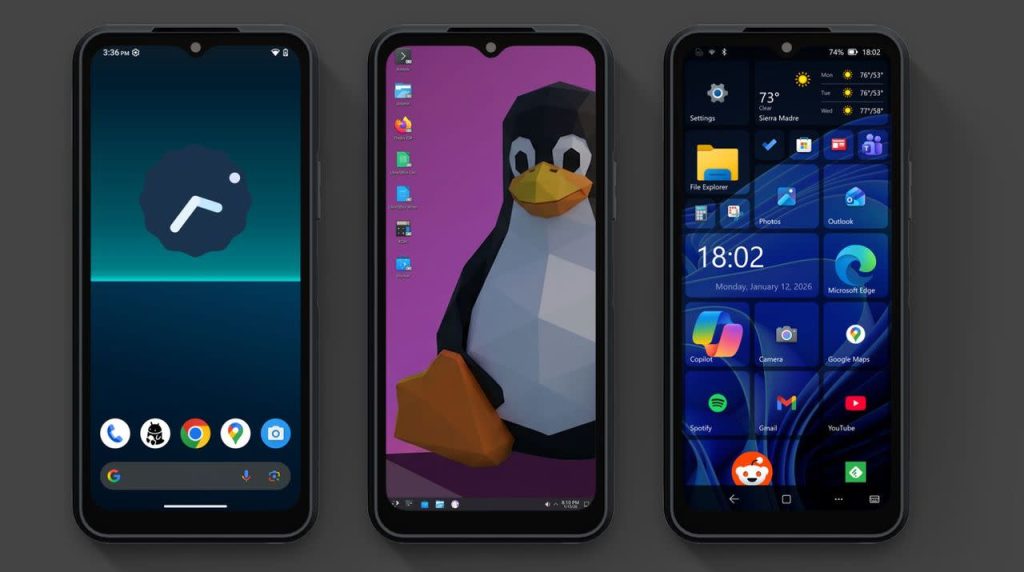
Unlike standard Android phones, NexPhone offers access to three major operating systems. Android 16 handles everyday mobile tasks efficiently. Meanwhile, Debian Linux can launch as an app, which makes it ideal for development work or advanced productivity. When needed, users can reboot directly into Windows 11, complete with a custom tile-based interface optimized for touch.
This approach reduces friction. Rather than relying on cloud desktops or emulation, NexPhone runs each system natively. Android and Linux share files seamlessly, while Windows operates on a separate partition to maintain stability and security.
Desktop Mode Without Compromise
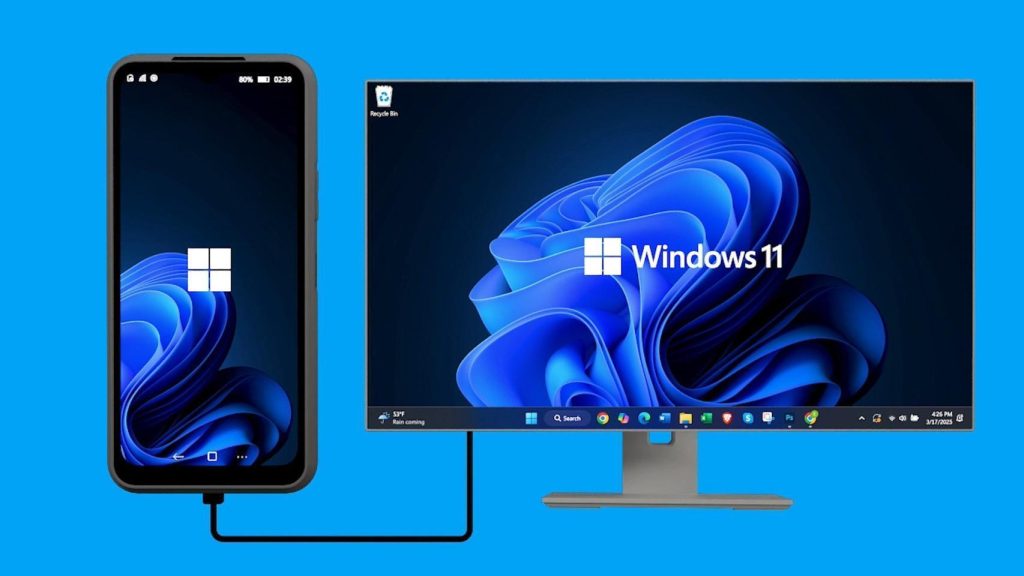
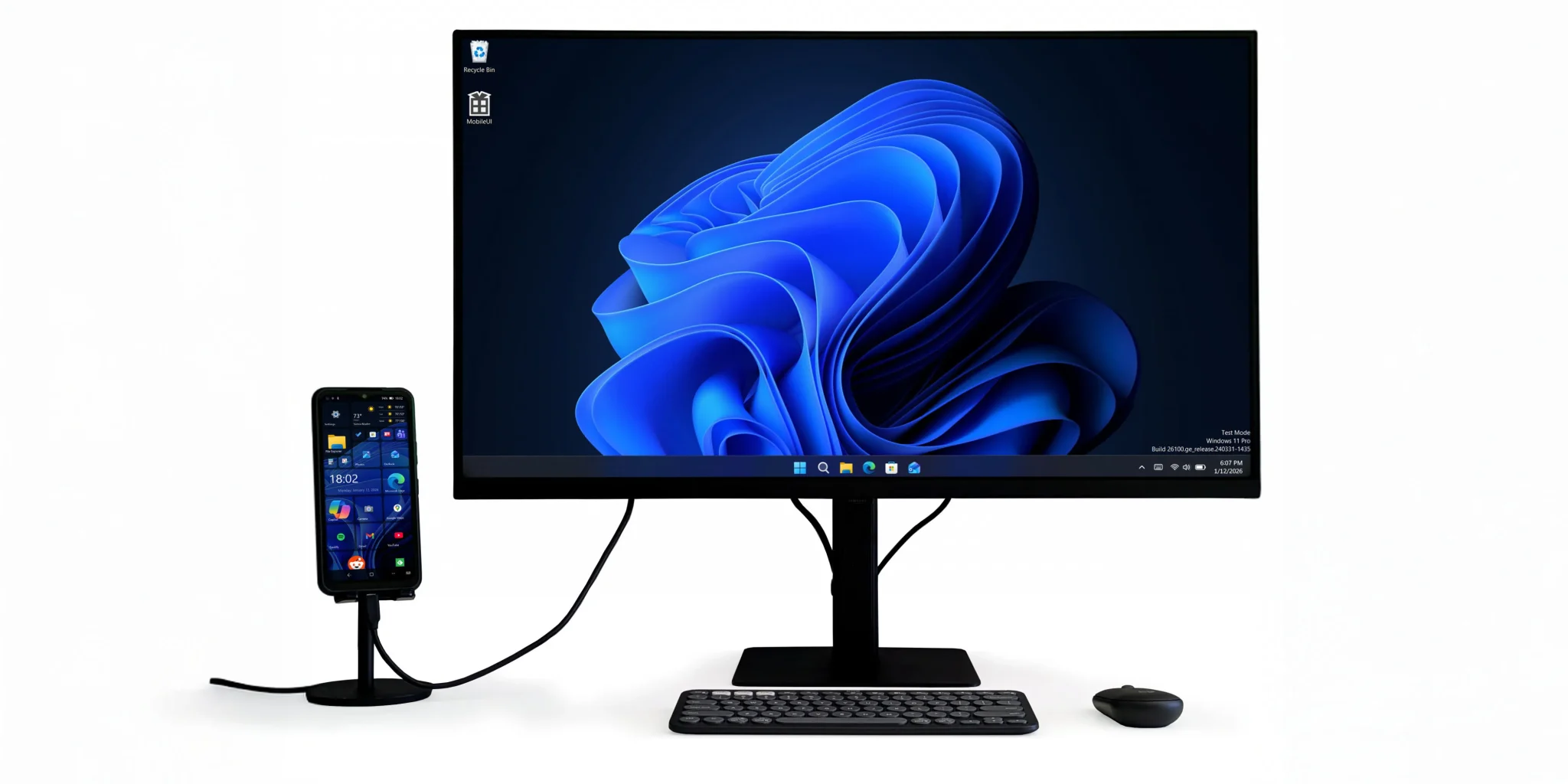
When connected to a monitor, keyboard, and mouse, NexPhone transforms into a desktop workstation. Users can choose Android Desktop Mode, a full Debian desktop environment, or the familiar Windows 11 interface. Consequently, the phone adapts to different use cases instead of forcing a single workflow.
While companies like Samsung and Motorola have attempted similar concepts, NexPhone expands the idea by offering genuine multi-OS support rather than a single enhanced mobile interface.
Hardware Built for Versatility
NexPhone features a 6.58-inch LCD display with a 120Hz refresh rate and a 1080 × 2403 resolution. It includes 12GB of RAM and 256GB of internal storage, along with microSD expansion—a feature that has become increasingly rare. Camera hardware includes a 64MP main sensor, a 13MP ultra-wide lens, and a 10MP front camera.
Battery life should remain dependable thanks to a 5,000mAh battery and wireless charging support. However, the processor choice is unconventional. NexPhone uses Qualcomm’s QCM6490 chipset, originally designed for IoT devices. Although it prioritizes long-term software support, it may not deliver flagship-level performance.
Performance Expectations and Trade-Offs
This chipset choice reflects NexPhone’s priorities. Instead of chasing raw speed, the company emphasizes stability, longevity, and consistent OS updates. For productivity tasks, development, and general desktop use, performance should remain acceptable. However, users expecting high-end gaming or intensive rendering may find limitations.
That said, most workflows targeted by this device rely more on software flexibility than peak benchmarks.
Pricing and Availability
NexPhone is expected to ship in Q3 2026. The total price is set at $549, positioning it as a mid-range device with premium ambitions. Interested buyers can reserve a unit with a refundable deposit, which lowers the barrier for early adopters.
Considering its multi-OS capability, the pricing remains competitive compared to owning both a smartphone and a secondary computer.
Who Should Consider NexPhone?
This device will not appeal to everyone. Casual users may find the concept unnecessary. However, developers, remote workers, and tech enthusiasts may see significant value in carrying a single device that adapts to multiple environments.
If you are interested in emerging Android ecosystem innovations, you may also want to read our related guide on platform-driven content discovery trends on Loop Teck.
Final Verdict
The NexPhone represents one of the most ambitious attempts yet to merge mobile and desktop computing. While performance compromises exist, its flexibility sets it apart. If the execution matches the vision, this could redefine how users think about personal computing.