

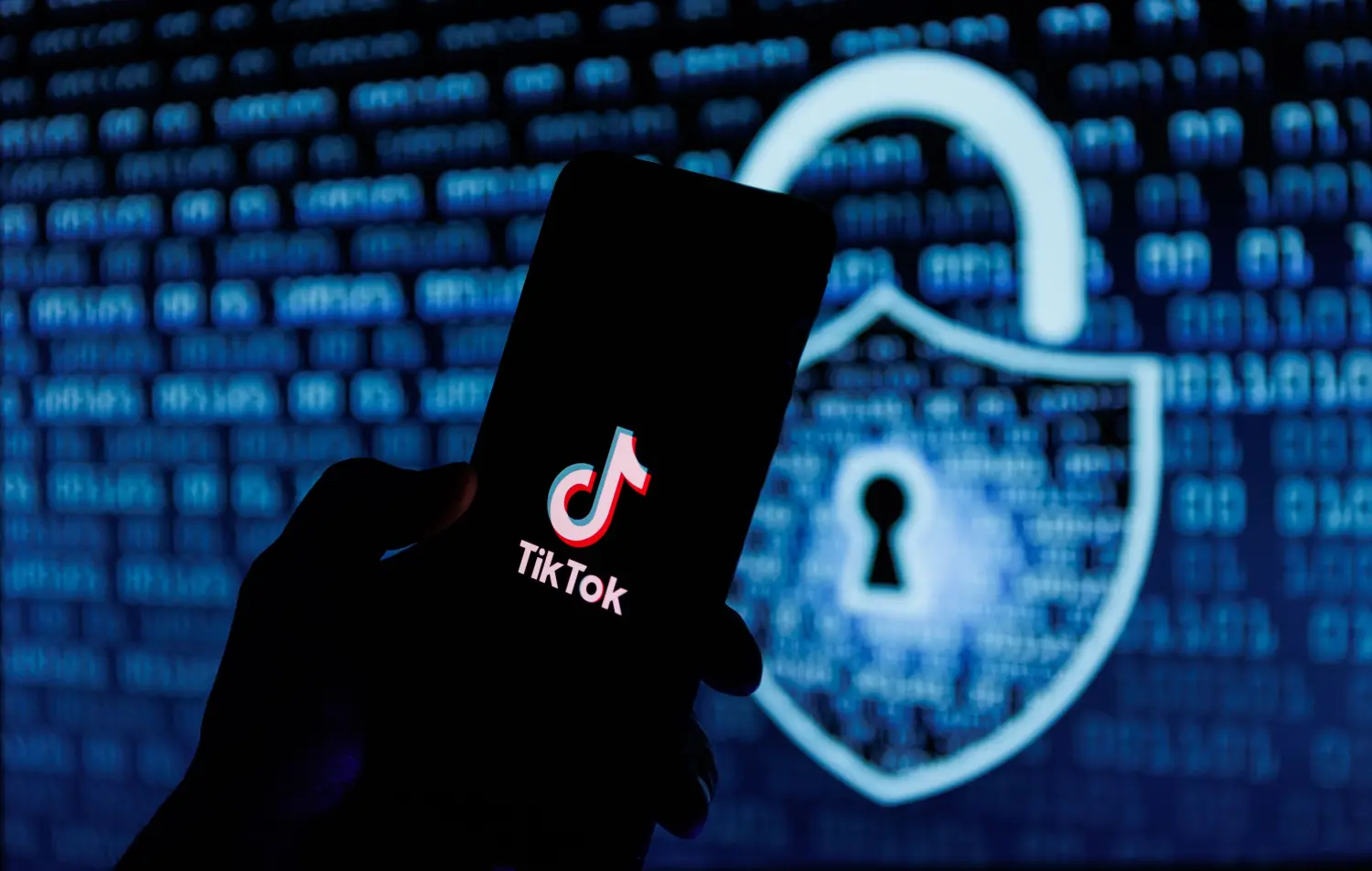
The TikTok US Deal Explained clearly outlines how the world’s most influential short-video platform is reshaping its business structure amid rising regulatory pressure. With more than one billion global users, TikTok now stands at the center of debates surrounding data privacy, content moderation, and platform control. As a result, recent structural changes have attracted intense global attention.
TikTok’s Rapid Growth and Content Reach
TikTok transformed from a niche video app into a global content hub thanks to its intuitive interface and endless scroll format. As engagement soared, millions of users found visibility through short, creative videos. For tips on how TikTok’s recommendation mechanics impact content visibility, see our related post, Does #FYP Hashtag Work on TikTok?, which analyzes visibility signals and content discovery.
How the “For You” Algorithm Drives Engagement
At the core of TikTok’s success lies its recommendation engine. Rather than prioritizing followed accounts, the platform promotes content based on user behavior, watch time, and interaction patterns. Therefore, even new creators can achieve viral exposure.
Additionally, TikTok gradually increased video length limits. While it began with 15-second clips, some users can now publish videos up to 60 minutes long. This flexibility has further strengthened engagement.
Data Privacy and Regulatory Scrutiny
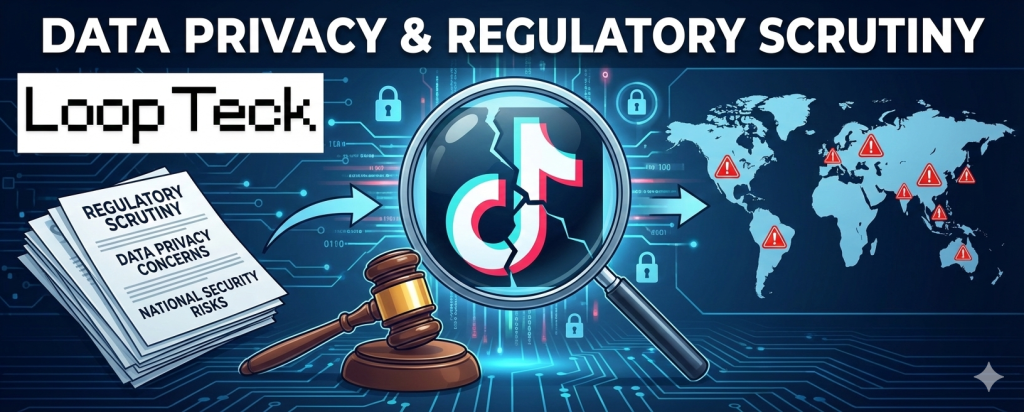
Despite its popularity, TikTok has faced mounting criticism. Governments and regulators worldwide have raised concerns regarding user data protection and potential foreign access. For example, several countries have imposed fines or outright bans due to national security considerations.
Furthermore, watchdog agencies have questioned whether sufficient safeguards exist to protect user information. Although TikTok continues to deny wrongdoing, regulatory pressure has not eased.
Ownership Changes and Legal Requirements
The TikTok US Deal Explained also highlights a major ownership restructuring. New legislation required the platform to reduce foreign control below a defined threshold. As a result, a new joint venture was formed with majority domestic ownership.
Under the revised structure, multiple independent investors now hold significant stakes. Meanwhile, the original parent company maintains a minority position, ensuring compliance with legal mandates.
Concerns Around Teen Safety
Beyond ownership, child safety remains a global concern. Several governments argue that social platforms must do more to protect young users. In response, some regions have enforced age-based access restrictions and stricter moderation requirements.
Critics claim that algorithmic content delivery may expose teenagers to harmful material. Therefore, pressure continues to mount for stronger safeguards.
What This Means Going Forward
Ultimately, the TikTok US Deal Explained reflects a broader shift in how governments regulate digital platforms. While TikTok remains operational, its future depends on transparency, compliance, and user trust. Consequently, ongoing oversight will likely shape how similar platforms operate worldwide.