
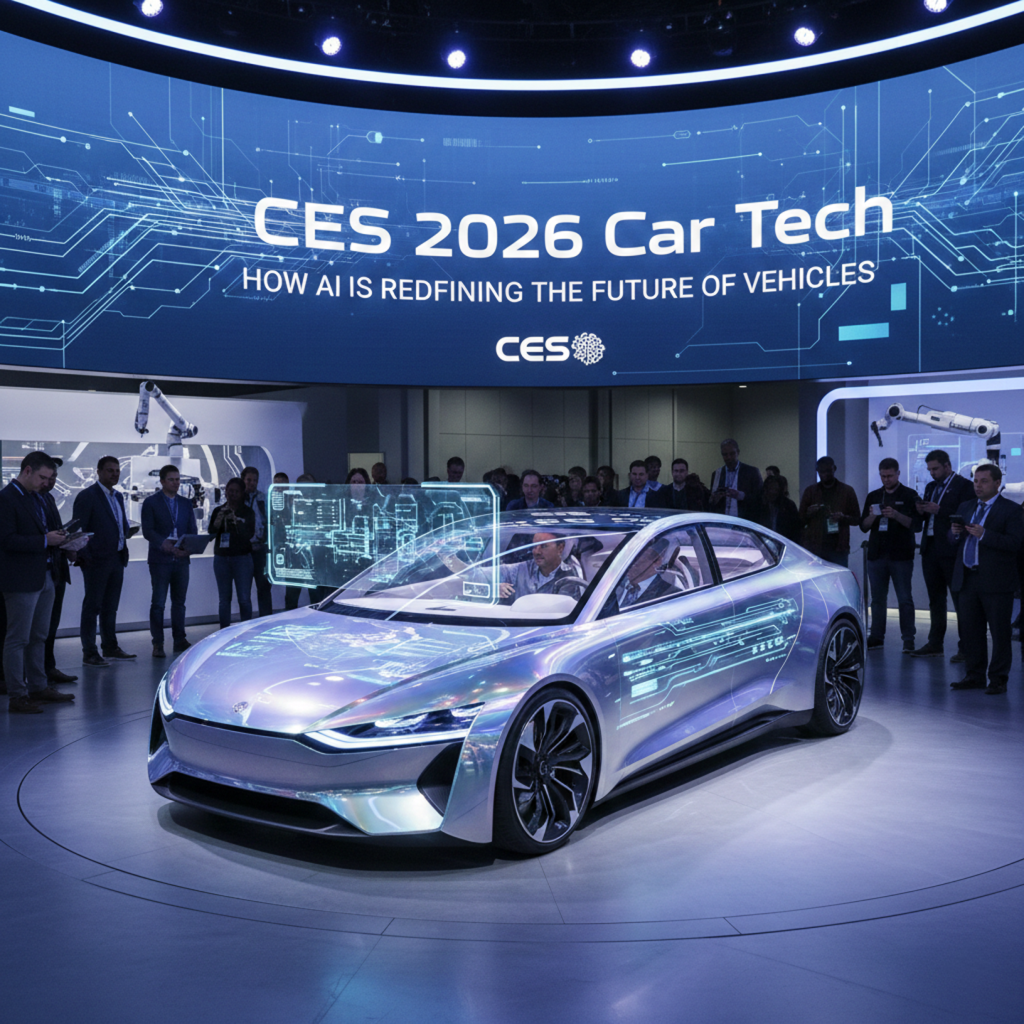
CES 2026 car tech made one thing clear: the future of vehicles is no longer defined by body design or engine specs. Instead, artificial intelligence, autonomous systems, and software-driven interiors now sit at the center of innovation. At this year’s event, automakers focused less on sheet metal and more on digital intelligence that transforms how cars think, respond, and interact with drivers.
Rather than unveiling flashy concept exteriors, companies highlighted computing power, AI assistants, and real-time decision-making systems that turn vehicles into adaptive machines.
AI Takes Control of the Cabin Experience
Modern vehicles are evolving into intelligent spaces. At CES 2026, car interiors resembled digital command centers powered by advanced AI models. These systems actively learn driver preferences, predict destinations, and adjust comfort settings automatically.
As a result, the cabin has become more important than the exterior. This shift reflects how drivers now value seamless interaction, personalization, and smart automation over traditional performance metrics.
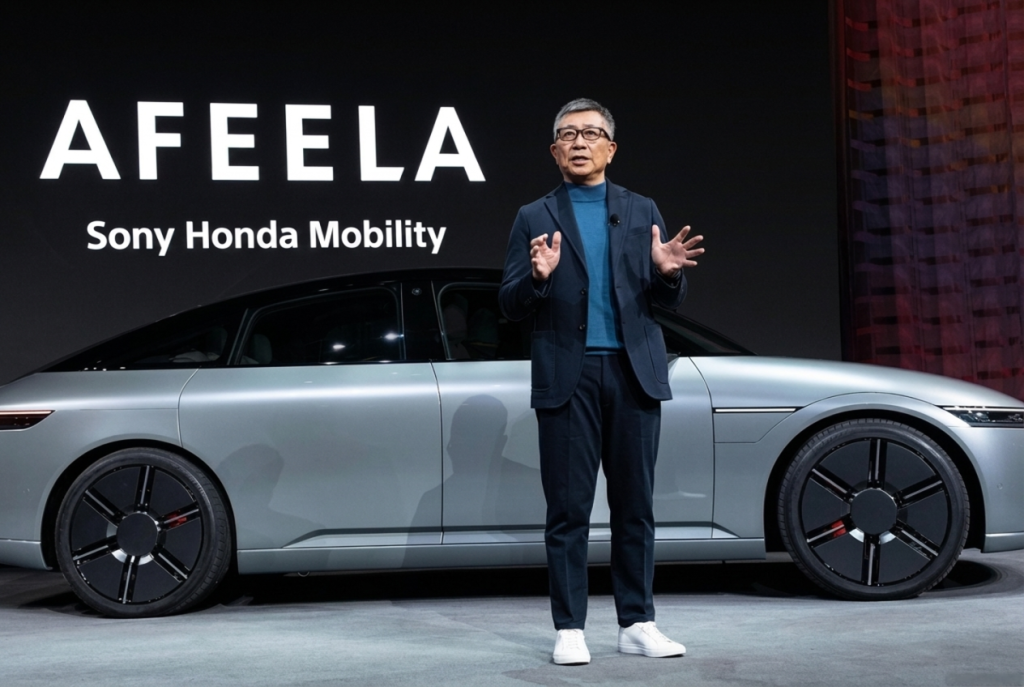
Sony Honda Mobility Doubles Down on Smart EVs
Sony Honda Mobility reaffirmed its commitment to intelligent electric vehicles with the refined AFEELA 1 and an SUV-style prototype expected to reach production later this decade. While the vehicle itself is familiar, its continued development signals long-term confidence in AI-first mobility.
Rather than chasing short-term trends, the company is building an ecosystem where entertainment, safety, and automation operate through a unified software platform.
Tensor’s Robocar Pushes Autonomous Boundaries
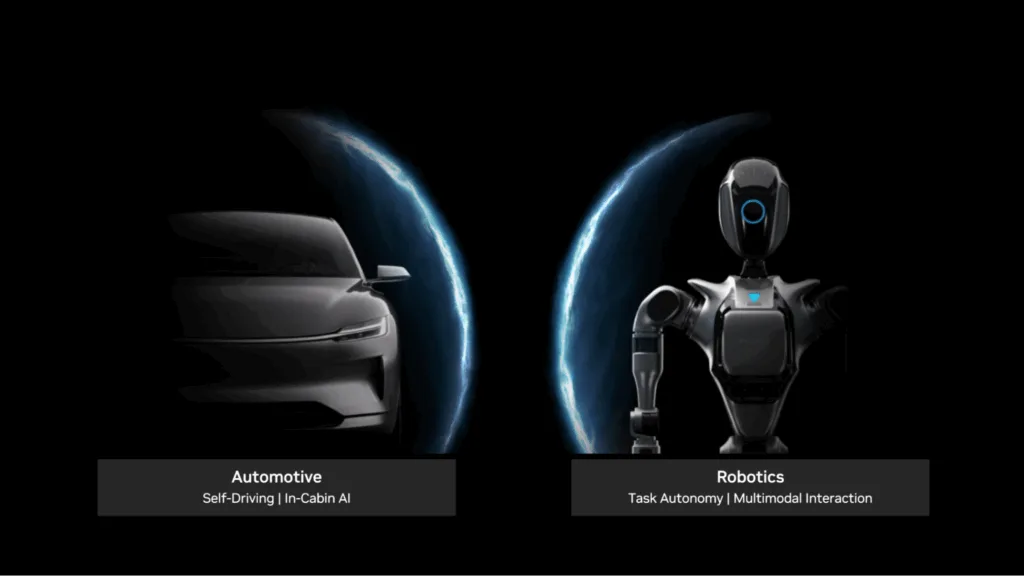
Tensor Auto introduced its luxury Robocar, a vehicle designed as much like a robot as a car. The system communicates naturally with occupants, analyzes traffic before departure, and makes contextual driving decisions in real time.
Although fully autonomous personal vehicles remain limited, Tensor’s Level 4-ready architecture suggests meaningful progress. With production planned soon, this approach highlights where CES 2026 car tech is heading next.
Nvidia Accelerates Physical AI in Vehicles
Nvidia emphasized “physical AI,” referring to systems capable of acting in the real world using live sensor data. This technology plays a critical role in autonomous driving, where vehicles must process complex environments instantly.
Through partnerships with automakers such as Mercedes-Benz, Nvidia showcased AI reasoning models that could support future robotaxi services and advanced driver-assistance systems.
The Rise of Intelligent In-Car Assistants
AI assistants dominated conversations at CES 2026. Automakers now compete on intelligence rather than acceleration. New assistants handle navigation, vehicle controls, and contextual questions through natural dialogue.
BMW demonstrated an advanced assistant integrated into its next-generation EV platform, while other brands revealed assistants designed to evolve through long-term learning. This trend underscores how CES 2026 car tech prioritizes software intelligence over hardware alone.
Practical EVs Still Matter
Despite the AI spotlight, traditional electric vehicles were not ignored. Several manufacturers previewed upcoming EVs focused on safety, range, and efficiency rather than radical experimentation.
These launches matter because they represent technology drivers can purchase soon, bridging the gap between futuristic concepts and real-world adoption.
Why CES 2026 Signals a Turning Point
What sets this year apart is not one specific vehicle, but the industry-wide shift toward intelligence-first design. Vehicles are becoming adaptive platforms capable of learning, reasoning, and evolving over time.
As CES 2026 car tech continues to influence production models, drivers can expect cars that feel less like machines and more like responsive digital partners.